

Trading In or Selling Your Car? Maximize Value and Minimize Stress in Auburn, California
 If you’re ready to move on from your current vehicle, you’re probably wondering whether to trade it in or sell it yourself. Our Auburn Toyota team has compiled this guide, where you’ll learn which option might work best for you, how to handle a trade-in like a pro, and how to get the most money when selling your car.
Understanding the Decision: Should You Trade or Sell?
Choosing between trading in your car and selling it yourself comes down to two things: how badly you want to get the most you can, and how much work you’re willing to do. Trading in means dealer credit toward your next purchase; it’s quick, easy, and doesn’t involve placing ads or meeting strangers. Selling privately may result in a higher return, but it also requires more time and effort.
Pros and Cons of Trading In Your Car
Trading in has its advantages. Dealers handle the paperwork, you save on taxes, and they’ll pay off your existing loan. Everything can be done in an afternoon, as opposed to waiting weeks for the right buyer to come along.
You will, however, make less money than selling it yourself. Dealers offer below wholesale since they need to make a profit after reconditioning your vehicle. Private sales offer more control and typically provide higher prices for older cars.
Factors To Consider
Financial considerations play a significant role in this decision. In California, you only pay sales tax on the difference between your trade-in value and the new car price. So with a $10,000 trade-in on a $30,000 vehicle, you’re taxed just on the $20,000 gap. This can save you hundreds of dollars in taxes, making trading in more attractive.
If your car’s worth more than what you still owe (positive equity), you can apply that extra cash to your new purchase. Go the private sale route if getting every last dollar matters most and you don’t mind putting in the work.
Step-By-Step Guide To Trading In Your Car
Follow these five steps for a smooth trade-in experience. Determine your car’s worth, obtain quotes from multiple sources, gather your paperwork, thoroughly clean your car, and be prepared to negotiate. Start by checking online valuation tools. Then call a few Placer County dealers for quotes. Don’t take the first offer — shopping around can mean thousands more in your pocket. Our Auburn Toyota staff can provide a second opinion and help you get top dollar for your car.
Getting an Accurate Car Valuation
Check multiple valuation sources — Edmunds (owned by CarMax), Kelley Blue Book (AutoTrader’s), NADA Guide (J.D. Power), Car and Driver, and Consumer Reports. They all vary slightly.
You’ll need your vehicle’s year, make, model, vehicle identification number (VIN), license plate, color, options, condition, and mileage. The trade-in value will be the lowest, but it offers tax advantages. The private party value indicates direct-sale potential. The dealer retail value represents the resale price. The certified preowned value applies to inspected cars with warranties. Remember that online tools can’t spot your repairs or identify local preferences, such as the Auburn area’s love for Toyota 4Runners.
Before visiting dealerships, gather your title, registration, loan info, and service records. Try to time your trade for when your type of vehicle is in demand — for example, SUVs often fetch more during fall and winter when people start thinking about snow.
Trading In Your Car at Auburn Toyota: Our Process
Our staff will check how your vehicle runs and sounds and investigate any warning lights. Cars without major engine or transmission issues receive better offers. Maintenance records help — they prove you didn’t skip oil changes or ignore problems.
Your offer will take into account market trends, mileage, condition, model popularity, location, timing, accident history, and reconditioning needs. Dealers add in their costs, which include repairs, inspections, cleaning, photos, and business expenses.
Maximizing Your Trade-In’s Value: How To Get the Most Money for Your Car
Prep work will improve the trade-in value. First impressions count. Address minor issues and bring your service records with you. Wash the vehicle thoroughly, clean its windows and wheels, vacuum the seats and floors, and remove personal items. You may want to get it professionally detailed. Navigation, sunroofs, heated leather seats, and safety features such as blind-spot warning can add hundreds or thousands to the offer.
Auburn’s location between Sacramento and Lake Tahoe affects local preferences. SUVs and trucks fetch more because locals need vehicles that can handle mountain roads. Try to time it right — the first half of the year typically brings better offers, and demand for all-wheel drive peaks in winter.
What Happens After You Accept an Offer?
Here’s what happens behind the scenes. Our team contacts your lender, pays off your loan, handles the title transfer, and takes care of all the loan paperwork. You can even trade in a car you’re still paying for; we’ll use the trade-in amount as credit toward your next purchase, and any remaining loan balance can be rolled into your new loan.
All this can take a few days. If you sell your car to Auburn Toyota, our team will keep you informed throughout the entire process. Knowing the timeline helps you plan, since you might need to arrange rides for a day or two between vehicles.
Paperwork and Documentation Needed
Bring your driver’s license, proof of insurance, vehicle title, and registration. For financed cars, you’ll need loan details, including account numbers, payoff amounts, and loan servicer contact information. Trade-in quotes from other dealers can help with negotiations.
Don’t forget all vehicle keys and remotes (including valet keys), owner’s manual, headphones for rear entertainment systems, and wheel lock keys. Supporting documents, such as vehicle history reports, maintenance records, the original bill of sale, and spare keys, strengthen your negotiating position.
Transfer of Ownership and Next Steps
California requires DMV record updates within 10 days after a vehicle is sold. You need a valid California title for sales, gifts, name changes, inheritance, or loan payoffs. Required paperwork includes the California title, completed Form REG 227 (if the title is lost or missing), signatures of both the buyer and seller, lender signatures (if applicable), and transfer fees.
There are several key requirements: file a Notice of Transfer within five days, obtain smog certification if required, verify registration card details, and confirm that the VINs match. Our Auburn Toyota staff is knowledgeable about California requirements and helps you avoid costly mistakes.
Make Your Car Transaction Stress-Free at Auburn Toyota
If you’re ready to trade in your vehicle, visit our team at Auburn Toyota. We’re the best dealership to sell your car — and the best dealership to buy one from. Toyotas hold their value and can handle city errands and mountain trips — perfect for Auburn drivers. We can take care of your financing, too. You can call us at 530-885-8484 or contact us using our convenient online form.
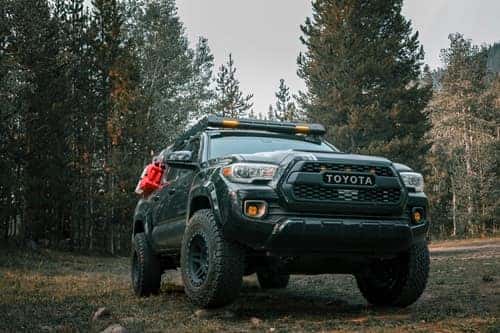
Low Angle Shot of a Jeep in a Forest Glade by Isaac Mitchell is licensed with Pexels License
0 comment(s) so far on Trading In or Selling Your Car? Maximize Value and Minimize Stress in Auburn, California