

Leasing vs. Buying a New Toyota: Which Is Right for You in Auburn, California?
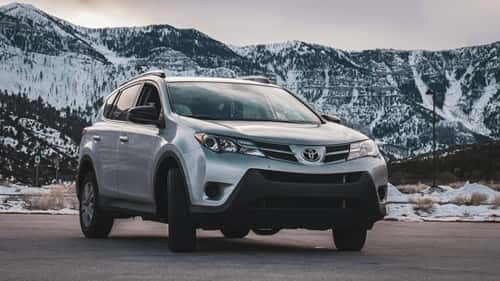 The choice between leasing and buying your next new Toyota is ultimately determined by what best suits you in terms of your budget, driving habits, and what you want from your car. Our team at Auburn Toyota has put together this guide to help you weigh up the financial and practical aspects that matter specifically to residents of Auburn so that you can feel confident about your choice.
Get Top Value for Your Car, Truck or SUV at Auburn Toyota
Financing Options: Loans, Cash Purchase, and Trade-In Values
Auburn Toyota offers several financing options to match your budget and credit. Auto loan rates depend on your credit score. Excellent credit scores (781-850) yield rates as low as 4.77%, while lower credit scores (501-600) result in much higher rates of up to 13.08%. Toyota Financial Services requires a minimum credit score of 610, but Auburn Toyota works with multiple lenders to accommodate various credit situations.
Cash purchases mean immediate ownership and zero interest charges, and trading in your current car reduces upfront costs significantly. You can value your trade online and apply for financing before visiting, saving time at the dealership. You should also watch out for Toyota’s promotional rates during sales events for additional qualified buyer savings.
2025 Toyota Models Worth Buying vs. Leasing
The 2025 Toyota lineup offers excellent options, whether you choose to lease or buy, and each model brings something unique to the table. The 2025 Camry achieves impressive gas mileage, with the LE Hybrid model delivering 53/50/51 mpg (city/highway/combined), and 232 combined net horsepower in the all-wheel-drive edition — perfect for those commutes from Auburn to Sacramento. For truck enthusiasts, the Tacoma produces 278 horsepower and can accelerate from 0 to 60 mph in just 7.6 seconds, while the Tundra can tow up to 12,000 pounds with its 437 horsepower and 583 lb-ft of torque.
Toyota cars hold their value well, which works in your favor either way. After five years, the RAV4 is still valued at 69.7% of its original price — the top of its class for compact SUVs. The 4Runner fares even better, with a 69.9% rating, making it a top performer in the midsize SUV category. Over time, you’ll lose less money, whether you’re calculating lease payments or considering long-term ownership. If you’re impressed by all the latest technology in hybrid and electric cars, leasing might be your best option, as you’ll be able to try out the newest gadgets without committing to technology that may become outdated in a few years.
Side-By-Side Comparison: Leasing vs. Buying Analysis
Leasing typically involves renting for two to three years, with the lessee paying only for depreciation, resulting in lower monthly payments but including warranty coverage. When your lease ends, you can upgrade the car without any of the hassles connected with selling a vehicle. You can drive unlimited miles, customize freely, and sell at any time. Electric car leasing is a popular option as electric vehicle (EV) technology continues to evolve rapidly. Buying, though, builds ownership equity with higher monthly payments, but eventually, no more bills.
The downsides of leasing include 12,000- to 15,000-mile yearly limits with overage fees, no ownership equity, customization restrictions, and end-of-lease charges. However, buying means higher payments, postwarranty repair costs, and depreciation concerns.
Monthly Payment Differences and Total Cost Breakdown
Car leases typically have lower monthly payments than auto loans, making them a cost-effective option over, for example, three years. However, lease payments continue indefinitely if you always want to drive a new car, whereas loans are time-limited.
Credit scores matter significantly. An excellent credit rating will give you access to the best interest rates and favorable terms, while a subprime rating may require larger deposits or higher monthly repayments as it signals a higher risk factor. Typical Toyota Tacoma financing payments range from $438.47 per month (for excellent credit) to $488.70 per month (for subprime credit).
Good lease deals have monthly payments around 1% or less of the MSRP, but be aware that advertised lease deals typically exclude taxes and fees, which can significantly increase actual payments. You should calculate total costs over your planned ownership period for accurate comparisons.
Mileage Restrictions: How Auburn Commuting Affects Your Choice
Toyota leases typically include 10,000 to 15,000 miles per year with charges of $0.15 per mile for excess mileage. However, many Auburn residents often exceed standard mileage limits due to longer commutes and weekend trips to Tahoe or San Francisco, as well as local driving in Auburn and Roseville.
If you drive more than 15,000 miles yearly, excess charges can make leasing more expensive than buying, which allows you to drive unlimited miles without extra fees. This makes buying a smart option for Auburn residents with longer commutes or frequent travel. Review your driving habits before signing a lease, as high-mileage drivers can save money by buying instead of leasing.
Maintenance and Warranty Coverage Comparison
Leased vehicles stay under manufacturer warranty for the entire lease term (typically three years/36,000 miles), covering major repairs. Most expensive problems occur after warranties expire, so lease customers rarely face costly fixes.
Repair costs jumped 10% from 2023 to 2024, and common costly repairs include catalytic converter replacement (around $1,350), turbocharger repairs ($1,600-$2,600), and EV battery replacement ($6,500-$9,500). Buyers will face these costs when their warranty expires, making extended coverage popular.
Tax Implications and California-Specific Considerations
California’s statewide base sales tax is 7.25%. Effective rates can reach 10.25% in Los Angeles and 8.75% in San Diego. When buying a vehicle, sales tax applies to the full purchase price. With leasing, sales tax only applies to monthly payments.
This tax arrangement favors individuals who switch cars every few years. Tax savings accumulate with each lease. The expansion of charging networks is making EVs more practical than ever for Auburn drivers.
Discover Your Perfect Toyota at Auburn Toyota
Whether you’re looking for a fuel-efficient Camry for your daily commute, a rugged Tacoma for weekend adventures, or one of our used SUVs and crossovers, our team is ready to help you sort through your options. Contact us at Auburn Toyota to schedule a test drive or visit to discuss your options with our finance team and determine which financing approach suits your lifestyle best. You can reach us at 530-885-8484 to schedule a visit and start your search for your next Toyota.
Frequently Asked Questions
- Is it better to lease or buy a Toyota in California?
It depends on your lifestyle. Leasing is ideal if you want lower monthly payments, new technology every few years, and minimal maintenance costs. Buying is better if you plan to keep your Toyota long term and want to build ownership equity. - How do mileage limits affect a Toyota lease?
Most Toyota leases include 10,000 to 15,000 miles per year. Auburn drivers with long commutes or frequent Tahoe and Bay Area trips may exceed limits and face mileage fees, making buying a smarter financial choice. - What credit score do I need to lease or finance a Toyota?
Toyota Financial Services typically requires a minimum credit score of 610. Scores above 750 qualify for the best rates, while Auburn Toyota works with multiple lenders to help buyers with a range of credit backgrounds. - Are lease payments cheaper than loan payments?
Yes. Lease payments are usually lower because you’re paying for the vehicle’s depreciation instead of its full price. However, buying a Toyota saves more over time since you eventually own the vehicle outright. - What happens at the end of a Toyota lease?
At lease end, you can return your Toyota, renew your lease with a new model, or purchase the vehicle at its residual value. Auburn Toyota can help you explore each option to fit your financial goals. - Are there tax advantages to leasing a Toyota in California?
Yes. With a lease, sales tax applies only to your monthly payments, not the full vehicle price, which can save Auburn drivers money compared to buying. - Which option offers better long-term value in Auburn?
Buying generally delivers better long-term value since Toyotas retain high resale prices and offer unlimited mileage. Leasing works best for drivers who prefer flexibility and always want the newest features.
Toyota Rav4 by Prime Cinematics is licensed with Pexels License
0 comment(s) so far on Leasing vs. Buying a New Toyota: Which Is Right for You in Auburn, California?