

Extend Your Vehicle’s Life Span — Why Regular Inspections Keep Your Vehicle Running Longer
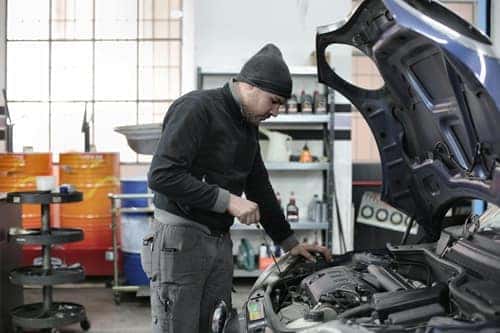 Your car is a big investment, and keeping up with regular check-ups will help prolong its lifespan while saving you money in the long run. When mechanics find little problems early, you don’t have to pay for big repairs later. These check-ups also make you safer on the road and help your automobile accomplish those great mileage goals.
At Auburn Toyota, we stress the importance of spotting problems early so that our clients can get the most out of their cars. We do this by providing competent inspections and clear maintenance recommendations. Read on to discover why regular servicing of your car is essential.
Why Is it Important to Have Your Vehicle Inspected Regularly?
Regular check-ups can prevent expensive repairs by catching problems early. According to AAA, not keeping up with maintenance can cost car owners an extra $849 a year in repairs and breakdowns. Mechanical problems cause about 2% of car accidents in the U.S., and in 2015, the National Highway Traffic Safety Administration reported that 44,000 crashes were due to mechanical issues.
Consumer Reports found that people who service their cars regularly experience a longer vehicle life span. Here at Auburn Toyota, we offer service deals to help our customers stay on top of maintenance affordably. Regular check-ups can also boost fuel efficiency and help to maintain warranty validity. Our service team at Auburn Toyota can keep your vehicle running reliably for years to come.
Core Components Checked During Vehicle Inspections
Today’s inspections check a number of systems to make sure the car is safe. Standard industry methods include inspecting a lot of various things, which gives mechanics a full view of how your car is doing.
Engine Performance and Fluid Levels
New oil makes it easier for engine parts to move around, but old, unclean oil grows heavy with dirt and debris, which wears down parts and lowers gas mileage. Oil also helps move heat away from engine parts that are hot. Mechanics check six important fluids during inspections: oil, coolant/antifreeze, power steering fluid, brake fluid, transmission fluid, and windshield washer fluid. You should check the coolant every 50,000 miles and change the transmission fluid every 30,000 to 60,000 miles in automatics and every 30,000 to 50,000 miles in manuals. You should change your brake fluid every two to three years.
Brakes and Tires
Most brake pads last between 30,000 and 70,000 miles, but driving style can significantly affect this range. Brakes should feel firm; if they’re spongy, get them checked immediately. The Federal Motor Carrier Safety Administration found that 29% of big truck crashes involved brake problems.
Neglected tires can result in poor handling, wasted fuel, and a higher risk of flats or blowouts. In a 2021 road check conducted by the Commercial Vehicle Safety Alliance, 21.8% of inspected vehicles were taken off the road, with 45% of the violations being for brake or tire issues. When you bring your vehicle in for a service, our mechanics will check your tire pressure, tread depth, wear patterns, brake pads, rotors, and brake fluid levels. It’s advisable to check brakes and tires at least twice a year, and quarterly for frequent drivers.
Suspension and Steering
Most suspension parts last between 50,000 and 100,000 miles, but regular check-ups can catch wear before parts fail. Be alert for shaky steering wheels, pulling to one side, uneven tire wear, fluid leaks, unusual noises, excessive bouncing, or swaying during turns.
A faulty suspension can make your car dangerous, so mechanics inspect shocks, struts, springs, and steering components during check-ups. Complete suspension repairs can cost between $2,800 and $5,500, so regular check-ups help to prevent these expensive bills.
Battery Health and Electrical Systems
Most car batteries last between three and five years, but harsh weather, frequent short trips, and power-hungry accessories can drain them faster. A weak battery can leave you stranded, so regular testing is essential to avoid those “car won’t start” mornings. Mechanics use special tools to check battery voltage and load capacity, and they also conduct electrical system checks on your car’s alternator output, starter function, and wiring connections to ensure everything’s working as it should.
Filters and Belts
Maintaining clean filters and good belts is essential for your car’s performance and longevity. Air filters typically need replacing every 12,000 to 15,000 miles or once yearly, but tough driving conditions may mean more frequent changes. If you drive off-road or in dusty areas, change your air filter every 6,000 to 8,000 miles.
Dirty air filters obstruct airflow to your engine, impacting performance and fuel economy. A clogged filter makes your engine work harder, using more gas and potentially causing long-term damage. Mechanics check air filters during routine maintenance and will tell you when they need replacing. They’ll also examine your belts to look for signs of wear. These belts drive important systems such as your alternator, power steering pump, and air-conditioning compressor. Worn, cracked, or stretched belts can snap without warning, leaving you stranded or damaging other expensive parts.
When To Schedule Your Vehicle Inspection
Experts recommend that most cars need servicing every 6,000 miles or six months — whichever comes first. However, the frequency of inspections depends on your car’s age, mileage, driving conditions, and usage patterns. If you regularly drive in challenging conditions that include regular towing, extreme temperatures, dusty environments, and frequent short trips, you may require more frequent check-ups as these scenarios place additional stress on components and speed up wear.
Protect Your Investment With Professional Vehicle Inspections
Regular check-ups are one of the most important steps you can take to extend your car’s life span and ensure your family’s safety. Skilled mechanics can spot problems early, prevent costly repairs, and help your car reach its full potential. Here at Auburn Toyota, we offer payment plans that make it easier to stay on top of maintenance needs without straining your budget.
Ready for your next check-up? Call Auburn Toyota at 530-885-0638, or use our easy scheduling system to book an appointment that works with your busy life.
Photo of Man Inspecting Car Engine by Andrea Piacquadio is licensed with Pexels License
0 comment(s) so far on Extend Your Vehicle’s Life Span — Why Regular Inspections Keep Your Vehicle Running Longer