

2026 Toyota Tundra: Built for Strength and Long-Term Value
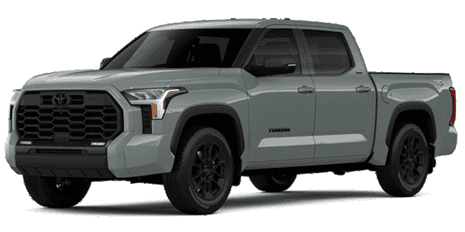 The 2026 Toyota Tundra depreciates just 28.7% after five years compared to 42.5% for the average full-size pickup. That difference translates to thousands more in your pocket when you trade or sell. At Auburn Toyota, we help Northern California truck buyers understand why the Tundra’s combination of engineering, reliability data, and ownership costs creates genuine value that Auburn shoppers can measure in dollars retained.
Whether you’re commuting to Sacramento or heading into the Sierra Nevada foothills, your truck investment should hold its worth. The numbers behind Tundra resale tell the story better than marketing claims ever could.
Durability Engineering That Protects Your Investment
We’ve watched Tundras routinely surpass 200,000 miles without major failures. That longevity stems from specific engineering decisions Toyota makes during design and manufacturing. These choices directly affect how these trucks perform after years of regular use.
Engine Longevity and Twin-Turbo V6 Hybrid Design
The twin-turbo 3.4L V6 engine delivers strong low-end torque while maintaining reasonable fuel consumption. Rather than relying on displacement for power, the twin-turbo configuration provides the grunt needed for towing and hauling. It avoids constant high-load operation that wears internal components prematurely.
The i-FORCE MAX hybrid adds 437 HP and 583 lb-ft torque through an electric motor integrated into the transmission. This system reduces stress on the gasoline engine during acceleration and city driving. The electric motor handles initial power demands, letting the gas engine operate in more efficient ranges that extend component life.
Regenerative braking captures energy normally lost as heat, improving efficiency while reducing brake wear. Electronic monitoring systems track component health and provide early warnings before minor issues become expensive failures. This preventive approach protects against the catastrophic breakdowns that destroy resale value and hit owners with massive repair bills.
Frame Construction and Long-Term Structural Integrity
The fully boxed frame uses high-strength steel in critical stress areas, creating a structure that maintains rigidity even at maximum load capacity. This construction method costs more initially but prevents the frame damage that ruins trucks used for regular heavy work.
Multiple coating processes during manufacturing seal frame surfaces from moisture and road salt. In Northern California where trucks face mountain snow, valley heat, and varying terrain, this corrosion resistance keeps the structure solid while cheaper frames deteriorate within a decade.
Reinforced suspension mounting points spread load forces across wider frame sections. This prevents the stress concentrations that crack competitor frames. When you’re towing at the Tundra’s 12,000 lb capacity or hauling heavy loads regularly, these engineering choices determine whether your truck maintains structural integrity or develops costly frame problems that tank resale value.
Total Ownership Costs: What Tundra Buyers Actually Pay
We calculate total ownership differently than most dealers because we know purchase price represents just one piece of what you’ll actually spend. The Tundra averages $478 annually in maintenance costs through the first five years. That’s significantly lower than most competing trucks when measured across extended ownership periods.
Maintenance Intervals and Service Affordability
Toyota spaces major services at longer intervals than many competitors, reducing shop visits and annual maintenance frequency. The first significant service typically occurs around 10,000 miles, with subsequent services scheduled based on actual driving conditions rather than arbitrary timeframes.
Parts availability through Toyota’s extensive dealer network and strong aftermarket support keeps component costs competitive. When you need brake pads, filters, or other wear items, multiple sourcing options prevent the price inflation that happens with less common vehicles. Our service department uses OEM parts that ensure proper fit and maintain warranty coverage while keeping costs reasonable.
The Tundra’s service-friendly design lets technicians complete routine work efficiently without wasting time accessing buried components. Labor costs stay manageable because mechanics spend time on actual maintenance rather than disassembly. These savings compound throughout ownership.
How Toyota Safety Sense Impacts Insurance and Ownership Costs
Toyota Safety Sense comes standard on 2026 Tundra models, and insurance companies factor these safety systems into premium calculations. Pre-collision warnings, automatic emergency braking, and lane departure alerts reduce accident rates, which insurers reward with lower rates.
These systems also prevent damage during minor mishaps. Parking sensors and backup cameras help avoid low-speed collisions that cause expensive bodywork. While these benefits might seem small individually, avoiding even one parking lot incident saves hundreds in deductibles and prevents potential rate increases.
Adaptive cruise control and lane keeping assistance reduce driver fatigue on long trips. Less fatigue means fewer accidents from inattention or drowsiness. This is statistical evidence that insurance companies use when setting premiums for safety-equipped vehicles like the Tundra.
Toyota Truck Reliability: What the Data Proves
Consistent Performance Backed by Data
Independent testing organizations and owner surveys provide measurable evidence of long-term vehicle performance. The Tundra consistently ranks in the top 10 vehicles for both 5-year and 7-year value retention. This recognition reflects documented mechanical dependability rather than marketing claims.
Owner surveys show Tundras need fewer unscheduled repairs than most competitors. Major component failures remain notably low even as vehicles accumulate high mileage. Transmissions, differentials, and suspension components regularly outlast their expected service life. This reduces the likelihood of expensive repairs during ownership.
Warranty Coverage and Long-Term Longevity
Toyota’s powertrain warranty coverage reflects the company’s confidence in these systems. The 10-year/150,000-mile hybrid battery warranty and 5-year/60,000-mile powertrain coverage demonstrate backing that manufacturers only offer on systems they expect to stay reliable. Warranty work cuts directly into profits, so comprehensive coverage signals genuine engineering confidence.
Studies tracking vehicles past 200,000 miles consistently rank Toyota trucks among the most dependable. This longevity stretches out your investment’s useful life significantly. A truck that remains mechanically sound after a decade provides transportation value long after competitors need major repairs or replacement. This directly supports Toyota truck reliability CA buyers can verify through owner experience data.
Value-Driving Features That Justify the Investment
The 2026 Tundra includes capabilities that enhance utility without creating future maintenance complications. Key features that protect long-term value Toyota shoppers prioritize include:
- Towing capacity up to 12,000 lbs when properly equipped, handling boat trailers, equipment haulers, and fifth-wheel RVs
- i-FORCE MAX hybrid powertrain delivering 437 HP and 583 lb-ft torque with superior fuel efficiency
- Integrated trailer brake controller and sway control systems for enhanced towing safety
- 10-year/150,000-mile hybrid battery warranty providing long-term powertrain protection
- 5-year/60,000-mile comprehensive powertrain coverage exceeding most competitor warranties
- Toyota Safety Sense standard features reducing insurance costs through documented accident prevention
- Truck bed dimensions accommodating standard plywood sheets and building materials for contractors and homeowners
- TRD Off-Road package (available) with upgraded suspension, skid plates, and terrain management for buyers accessing trails or remote sites
Interior refinement matches modern truck expectations. The cabin seats five or six adults comfortably depending on configuration, with materials that resist wear from daily use. Climate controls, infotainment systems, and storage solutions work intuitively without requiring extensive owner’s manual consultation.
Discover Your 2026 Tundra Value at Auburn Toyota
See Real-World Value With Hands-On Evaluation
Understanding real-world value requires seeing actual trucks and discussing specifics with people who know these vehicles. We keep 2026 Tundra inventory in stock at our Auburn location, including popular configurations, so you can compare options directly and experience what makes this truck different.
Our Auburn location serves Roseville and Sacramento shoppers who choose us for straightforward information and a low-pressure environment. We’re minutes from test drives on varied terrain that demonstrates truck capabilities in conditions you’ll actually face: mountain grades, highway speeds, and city traffic that reveal how the Tundra performs in real-world situations.
We help buyers match Tundra configurations to individual needs because paying for unused capabilities wastes money. Not everyone requires maximum towing capacity or off-road packages. Aligning features with actual usage patterns ensures you invest in equipment that improves ownership experience rather than sitting idle.
Protecting Your Investment with Expert Service and Support
Our factory-certified service department maintains Tundras using OEM parts and Toyota-trained technicians, support that protects your investment throughout ownership. Maintenance following manufacturer specifications preserves both reliability and resale value.
Ready to explore what your current vehicle is worth? Use our trade-in tool powered by Kelly Blue Book for an instant valuation. We provide fair market assessments that consider current conditions and vehicle state, simplifying the upgrade process while ensuring you receive appropriate credit.
Contact us to discuss 2026 Tundra value Auburn options and schedule a test drive. Finding out whether the Tundra’s combination of proven resale performance, engineering durability, and ownership costs matches your requirements starts with a conversation about your specific needs and a hands-on evaluation of what makes this truck hold its value better than competitors.
2026 Toyota Tundra FAQ for Auburn and Roseville, CA
Q1. How well does the 2026 Toyota Tundra hold its value in Auburn, CA?
The 2026 Tundra is positioned as a strong resale performer compared to many full-size pickups. Lower depreciation means more retained value when you sell or trade. In Auburn and the Roseville area, resale demand often favors trucks with predictable long-term ownership costs.
Q2. What factors most influence Tundra depreciation over five years?
Depreciation is driven by reliability history, maintenance costs, mileage, trim level, accident history, and market demand. Full-size trucks that avoid major repairs tend to keep higher resale value. Local usage patterns in Northern California, like commuting and towing, also impact condition and resale pricing.
Q3. Does the i-FORCE MAX hybrid improve long-term value for used buyers?
Hybrid trucks can appeal to used buyers when fuel costs rise and efficiency matters more. The i-FORCE MAX setup is also designed to assist acceleration and low-speed driving, which can reduce strain on the gas engine in everyday use. In the Roseville, CA market, hybrid demand can be stronger when operating costs become a priority.
Q4. What towing capacity does the 2026 Tundra offer, and does it affect resale value?
When properly equipped, the Tundra is often shopped for high towing capability, which supports resale demand for specific trims and packages. Trucks used for towing tend to retain value best when maintenance and towing setup are documented. For Auburn-area owners pulling trailers into foothill terrain, proper service history is a major resale factor.
Q5. How does frame construction and corrosion resistance affect long-term value in California?
Long-term value is supported when the truck avoids structural issues like frame corrosion and mounting point wear. In Northern California, exposure to snow trips and road grime can accelerate corrosion if a vehicle is not cleaned and inspected regularly. A clean undercarriage and consistent inspections can help preserve resale value in Auburn, CA.
Q6. What maintenance costs should owners expect in the first five years?
Maintenance costs vary by driving style, mileage, and service intervals, but most owners should budget for routine oil services, tire rotations, brakes, filters, and fluid checks. Keeping services on schedule helps avoid expensive secondary failures. In the Sacramento-to-Roseville commute pattern, higher miles usually mean you hit wear items sooner.
Q7. How does Toyota Safety Sense affect insurance and ownership costs?
Safety systems like automatic emergency braking and lane support features can reduce accident risk, and insurers may factor that into pricing. Even small reductions in low-speed collisions can save money on deductibles and repairs over time. Real insurance impacts depend on carrier, driver profile, and coverage in California.
Q8. What warranty coverage matters most for long-term ownership planning?
For long-term planning, owners typically focus on powertrain coverage and (if equipped) hybrid system coverage. Knowing what is covered and for how long helps you estimate risk after factory coverage ends. This matters for Auburn and Roseville drivers who plan to keep their truck well past the typical warranty period.
Q9. What ownership habits protect resale value the most?
The biggest resale drivers are documented maintenance, clean vehicle history, and avoiding deferred repairs. Keeping service records, addressing warning lights quickly, and using correct towing practices protects long-term condition. For Northern California trucks, consistent cleaning after mountain trips also helps preserve underbody condition.
Q10. What mistakes should buyers avoid when comparing full-size truck value?
Avoid comparing trucks using only purchase price and ignoring depreciation, maintenance, and reliability trends. Also avoid assuming every trim holds value the same, because packages and powertrains can shift demand. In Auburn, CA, mismatching towing needs to the truck’s configuration is a common mistake that hurts satisfaction and resale.
Photo Courtesy of Toyota
0 comment(s) so far on 2026 Toyota Tundra: Built for Strength and Long-Term Value